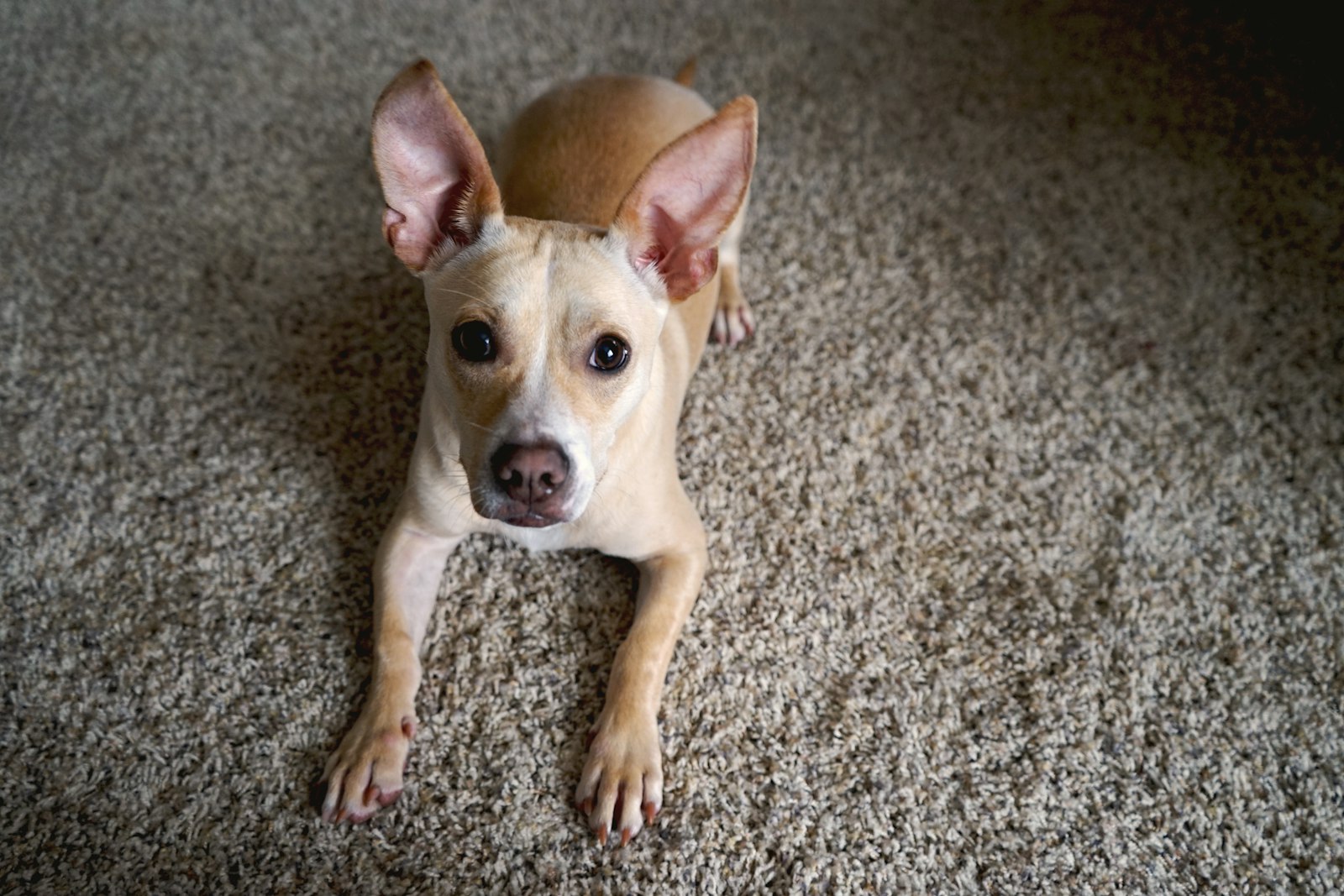

Your dog just got the couch (or the rug). Here's the playbook.
Pet accident on the couch or rug? The first 10 minutes decide everything. The NYC pet owner's playbook — by surface, by stain, with what to rent.
Quick answer
For any pet accident on a couch or area rug, the first 10 minutes decide whether it's a 30-minute cleanup or a 3-week smell. Blot dry with a white towel (don't rub), skip heat and ammonia, then treat with an enzyme cleaner. For couches, check the cleaning code on the cushion tag (W / S / S/W / X) before applying anything wet. For wool or silk rugs, use the lowest amount of water and detergent possible. For anything bigger than a paper towel, rent a portable carpet cleaner with an upholstery attachment from a neighbor — almost always cheaper than buying.
You sat down on the couch and the cushion was cold. Or you walked across the rug barefoot and felt the suspicious dampness. You don't know how long it's been there. You're trying to remember whether the rug is wool or synthetic, and whether the couch came from West Elm or your grandmother. Welcome to NYC pet ownership.
The good news: a pet accident on a couch or area rug is recoverable in almost every case — if you handle it in the right order. The bad news: the wrong order will make a small problem permanent. Below is the surface-by-surface playbook we'd hand any neighbor in Park Slope or Astoria standing in their living room with a roll of paper towels.
The first 10 minutes (universal — both surfaces)
These four moves apply to couch upholstery AND area rugs. Get them right and you've already done 70% of the work.
- Blot, don't rub. Press a clean white towel flat into the spot and lean on it. Rubbing pushes liquid deeper into cushion foam or rug pad, and spreads the smell.
- Switch towels until they come up almost dry. This is the unglamorous step that decides everything. Most of the smell people fight for weeks is just liquid that was never lifted out.
- Skip the steamer. Heat sets pet-stain proteins permanently into fibers. No steam mops, no hair dryers, no warm water until after the spot is clean.
- Skip ammonia and bleach. Ammonia smells like dog urine to a dog — they'll come back to the same spot. Bleach yellows wool and damages linen and silk. Vinegar isn't great either: mildly acidic, it can damage wool fibers and barely touches the proteins causing the smell.
If the spot is small and you've blotted thoroughly, a light spray of enzyme cleaner left to dry for a few hours gets you the rest of the way.
Cleaning a pet accident on a couch (upholstery)
The most-missed step in couch cleanup is checking the cleaning code on the tag before you spray anything. Flip the cushion over — the code is usually printed on a small sewn-in tag under the seam.
- W = water-based cleaners only. Most synthetic couches. Enzyme cleaner is fine.
- S = solvent-based cleaners only. Most natural-fiber couches (linen, some wool blends). Do NOT use water — it leaves rings.
- S/W = both ok. The easiest case. Enzyme cleaner is your friend.
- X = vacuum only. Rare, mostly antique pieces. If you see X, call a pro.
For a typical NYC apartment couch (synthetic, "W" code), the workflow is:
- Blot dry as above.
- If the cushion cover is removable and machine-washable, unzip it, soak the cover in cold water plus enzyme cleaner for an hour, then run it on cold.
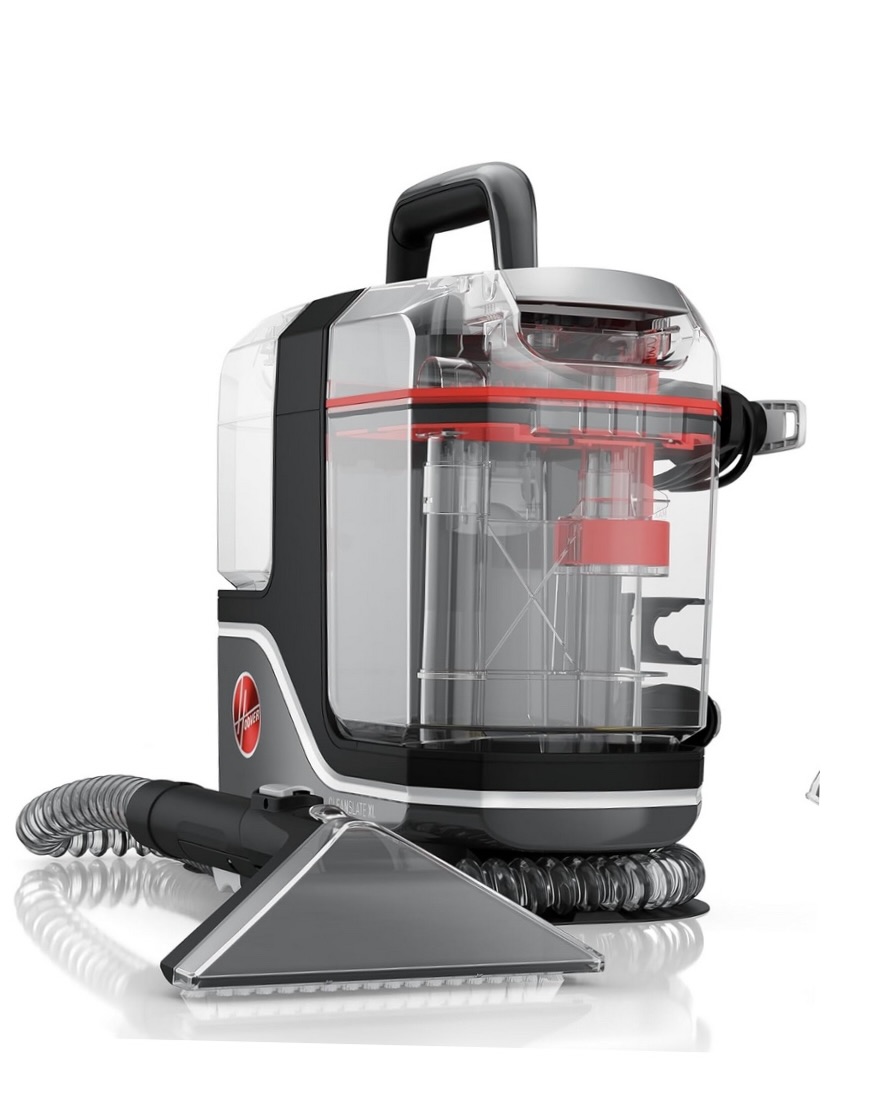
- For the foam underneath, you need to extract the liquid that soaked in. A regular vacuum can't do this. A portable carpet cleaner with an upholstery attachment can — spray, agitate, suck it back out.
- Let everything dry fully before reassembly. Wet foam = mildew.
If the cushion is sewn shut (no removable cover), the carpet-cleaner-plus-upholstery-attachment is your only real option short of professional cleaning.
Cleaning a pet accident on an area rug
Rugs are different from wall-to-wall carpets — they're not glued down, so you can move them, flip them, and clean both sides. They're also often made of wool, silk, jute, or sisal, all of which behave differently under cleaning.
- Synthetic rug (polypropylene, nylon). Most modern apartment rugs. Treat like carpet: blot dry, enzyme spray, portable carpet cleaner if needed.
- Wool rug. Common in NYC, vulnerable to over-wetting and harsh chemicals. Use the lowest setting on any cleaner, test in a hidden corner first, and never let water pool. Skip vinegar and oxygen bleach.
- Silk or viscose rug. Get professional help. Don't try to home-clean these — water alone can stain.
- Jute or sisal rug. Water damages these. Blot only, then sprinkle baking soda, vacuum it off after a few hours. If the smell persists, the rug may need replacement.
For any rug bigger than a doormat, lift it off the floor and check the rug pad underneath — accidents often soak through. If the pad is wet, that's where the smell will live.
Surface-by-surface treatment guide
Different surfaces, different rules. Here's the quick reference.
| Surface | Safe to wet? | Best cleaner | When to call a pro |
|---|---|---|---|
| Synthetic couch (W code) | Yes | Enzyme cleaner | Sewn-shut foam is wet through |
| Linen / natural couch (S code) | No (solvent only) | Solvent-based upholstery cleaner | Anything beyond surface stain |
| Synthetic rug | Yes | Enzyme cleaner + portable carpet cleaner | Pad is soaked through |
| Wool rug | Cautiously | Wool-safe enzyme spray, low water | Larger than 12 inches |
| Silk or viscose rug | No | Don't DIY | Always |
| Jute / sisal | No | Baking soda only | Persistent smell |
When to rent a portable carpet cleaner
For anything bigger than a paper towel, you actually need a portable carpet cleaner — the kind that sprays, agitates, and vacuums the liquid back out. A regular vacuum can't do this. A wet rag definitely can't.
A decent portable carpet cleaner costs $180–$300, takes up a full closet shelf, and you'll use it 2–4 times a year. Renting one from a neighbor on Green Gooding usually runs around $35 for 48 hours — owners set their own prices, so you'll see some variation. Most portable models include an upholstery attachment for couches, which is exactly what you need for cushion accidents.
Need one this weekend?
Browse portable carpet cleaners on Green Gooding →
Pickup from a neighbor in your borough · around $35 for 48 hours · some neighbors offer same-day pickup.
The bigger picture
The reason we built Green Gooding is that NYC apartments aren't designed for the stuff you only need three or four times a year. Carpet cleaners, upholstery shampooers, the steamer your sister-in-law swears by — borrow them from a neighbor in Park Slope, Bushwick, or the Upper East Side, and put your closet space toward something you actually use every day.
🐾 Cleaning up right now?
Find a portable carpet cleaner with an upholstery attachment near you — around $35 for 48 hours, owners set their own prices, some neighbors offer same-day pickup.
Not a pet emergency?
Just the couch? See our upholstery cleaner rental page in NYC →
Whole floor? See our general carpet cleaner rental page in NYC →
Past the panic stage? Save this page for next time. There will be a next time. There always is.
Key takeaways
- First 10 minutes: blot dry with a white towel, no rubbing, no heat, no ammonia or bleach.
- Couches: check the cleaning code (W/S/SW/X) on the cushion tag before applying anything wet — the wrong cleaner can permanently ring the fabric.
- Wool rugs: lowest water and detergent setting, don't soak, skip vinegar and oxygen bleach.
- Silk, viscose, jute, or sisal: don't DIY — call a pro or accept the loss.
- For anything bigger than a paper towel: rent a portable carpet cleaner with upholstery attachment from a neighbor — buying makes sense only if you're cleaning more than four times a year.
Frequently asked questions
How do I get dog pee out of a couch cushion?
Blot with a clean white towel until almost dry, then check the cleaning code on the cushion tag. For "W" or "S/W" couches, spray an enzyme cleaner and let it sit 10 minutes. For sewn-shut foam, you'll need a portable carpet cleaner with an upholstery attachment to extract the liquid that soaked in — a regular vacuum can't pull it out.
How do I get cat pee out of a wool rug?
Blot dry with a white towel, then use a wool-safe enzyme cleaner sprayed lightly (not soaked). Lift the rug to check whether the pad underneath is also wet — if it is, that's where the smell lives. Skip vinegar, oxygen bleach, and steam cleaning, all of which damage wool fibers.
Can I use a steam cleaner on a pet accident?
No, not until after the area is fully cleaned and the urine has been extracted. Heat sets pet-stain proteins permanently into fibers, making the smell impossible to remove. Use steam only as a last step on already-cleaned, already-dried fabric.
Will vinegar work on a pet stain?
Not really. Vinegar masks the smell briefly but doesn't break down the proteins that cause it — and on wool, vinegar's acidity can damage fibers. Enzyme cleaners are designed for the job and work on most common upholstery and rug surfaces (except silk and viscose, which need professional care).
What's the difference between renting a carpet cleaner and hiring a cleaning service?
A neighbor-rented portable carpet cleaner usually runs around $35 for 48 hours (owners set their own prices, so you'll see some variation). A single professional upholstery cleaning visit usually starts around $150 and rises by piece or square footage. For a single couch cushion or one rug, renting is the clear winner. For a whole-room job, professional cleaning may be worth the cost.
Where can I rent a portable carpet cleaner with an upholstery attachment in Brooklyn?
Green Gooding lists portable carpet cleaners — many with upholstery attachments — available from neighbors across Brooklyn, Manhattan, and Queens. Browse pet-friendly rentals to see what's available near you. Some neighbors offer same-day pickup if you message them early.
What if my couch's cushion cover isn't removable?
You'll need a portable carpet cleaner with an upholstery attachment to extract the liquid. The attachment lets you spray cleaner into the foam and vacuum it back out — a regular vacuum can't do this. If the cushion is fully soaked through to the bottom, professional cleaning may be worth the cost.